The short answer: you can anchor Titan T-3 without drilling a rental garage floor by combining a weighted sandwich platform under the uprights, 400–600 lb of plate ballast loaded onto the base, and rubber-matted stabilizer feet that wedge the rack against shear. Done correctly, this setup keeps a 5-ply T-3 stationary through 405 lb squats, kipping pull-ups, and band-assisted rack pulls without ever touching the concrete with a hammer drill. Below we walk through each method, the exact ballast math, the parts list, and a few space-saving accessories that make a no-drill T-3 a viable long-term home gym in 2026.
Why renters can't drill (and why Titan T-3 is forgiving anyway)
Top Picks
Most residential leases specifically prohibit anchoring into concrete slabs, and even month-to-month tenants risk losing security deposits if a property manager finds wedge-anchor holes left behind. The good news is the Titan T-3 series uses an 11-gauge, 2x3 upright with a wide stance footprint. Unlike taller commercial rigs that need bolts to stop tipping moments, the T-3's stock geometry will stay planted under most home-gym loads once ballast is added. The job, then, is not to bolt it down—it's to make the rack heavier than the forces you're applying to it.
The three no-drill methods that actually work
1. The sandwich platform (best overall)
Build a 6 ft x 8 ft platform from two layers of 3/4-inch plywood, screwed together in a brick pattern, then top with 3/4-inch stall mat under the rack feet and on the lifting surface. Set the T-3 squarely in the middle so each upright lands on the plywood, not the slab. The plywood distributes load, and the stall-mat friction coefficient (~0.7 against bare concrete) resists the rack sliding under horizontal pull. A 6x8 sandwich weighs roughly 240 lb empty—enough that the rack and platform behave as one rigid unit.
2. Plate-loaded base ballast
Titan sells weight-horn attachments that bolt onto the T-3's base; load 4–6 plates per side (180–270 lb) and the center of gravity drops dramatically. For most home users this alone is enough to anchor Titan T-3 without drilling, especially when paired with the platform above. If you don't own a horn kit, sandbags or HDPE water-fill blocks stacked inside the rack footprint work nearly as well, though they're slower to reset between training blocks.
3. Rubber stabilizer feet + wall braces
Titan's optional stabilizer crossmembers extend the front-to-back footprint by about 24 inches and accept hardware-free rubber feet. Combined with a horizontal brace strapped (not screwed) to a stud through the existing rack holes, you eliminate the only failure mode left—forward tipping during a missed front squat. Use ratchet straps rated 1,500 lb working load, never bungees.
Ballast math: how much weight do you really need?
A useful rule from competitive garage gym builders: total ballast (platform + plates + sandbags) should equal roughly 1.5x your heaviest planned lift. Planning to squat 405? Aim for ~600 lb of dead weight on or against the rack. Planning to rack-pull 600? Target ~900 lb. The math accounts for jerk forces during re-racking, which can briefly spike to 2–3x the static bar weight.
| No-Drill Method | Ballast Added | Best For | Approx. Cost |
|---|---|---|---|
| Sandwich platform only | ~240 lb | Pressing, light squats up to 225 | $180 |
| Platform + horn-loaded plates | ~500 lb | Squats up to 405, pull-ups | $280 + plates |
| Platform + plates + stabilizers | ~700 lb | Heavy squats, rack pulls, kipping | $400 + plates |
| Wall-strap brace (added to above) | +lateral resistance | Band work, front squats | +$45 |
Space-saving gear that makes a no-drill T-3 work in a rental
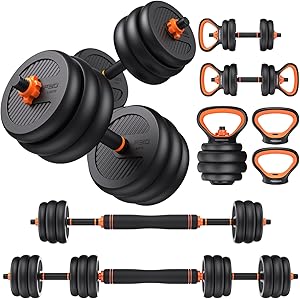
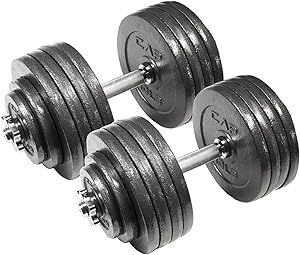
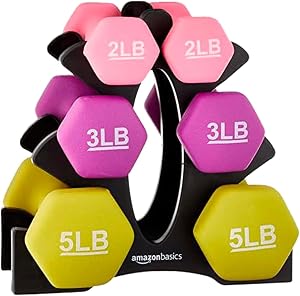
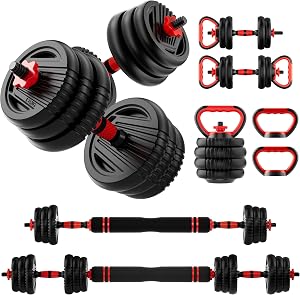
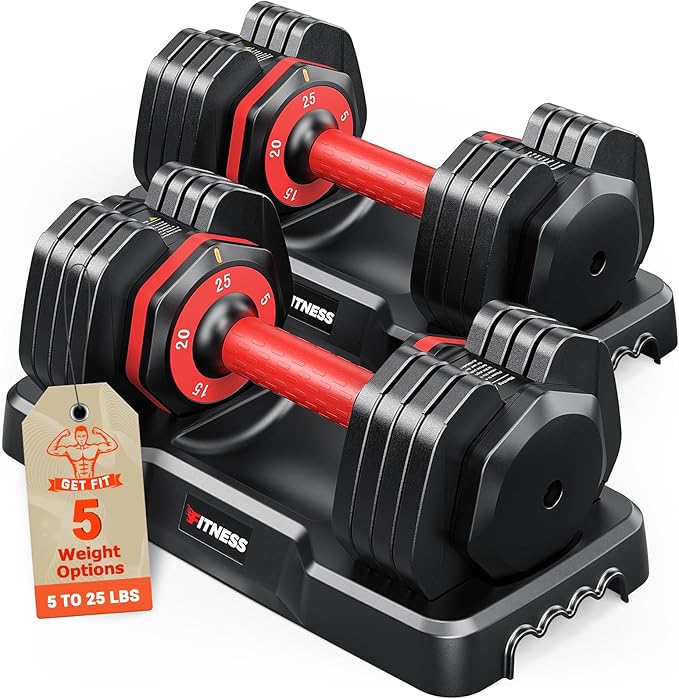
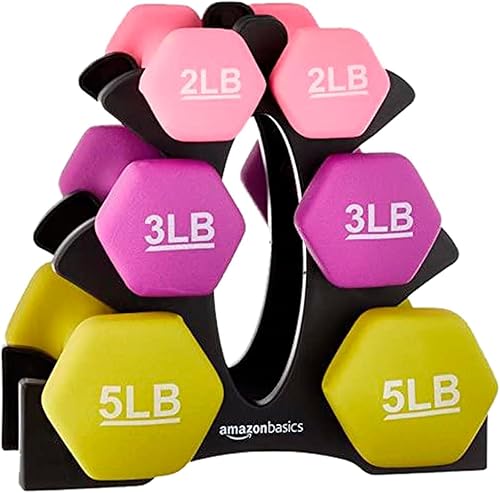
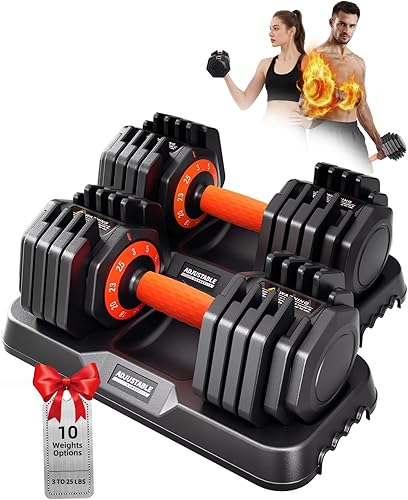
Once you commit to a free-standing rack, you generally want to minimize everything else on the floor. That's where adjustable dumbbells earn their keep—one pair replaces a rack of fixed bells and frees up the square footage you need for the platform.
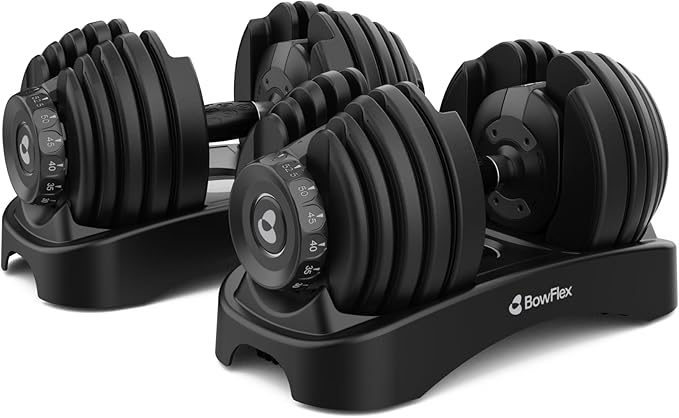
BowFlex Results Series SelectTech Adjustable Dumbbells
The 2026 Results Series goes from 5 to 60 lb per hand via a single dial and includes Bluetooth set tracking. Perfect companion to a no-drill T-3 setup because the cradles tuck under the platform, and the 60 lb top end covers almost every accessory lift you'd otherwise need a fixed rack of dumbbells for. Check price on Amazon.
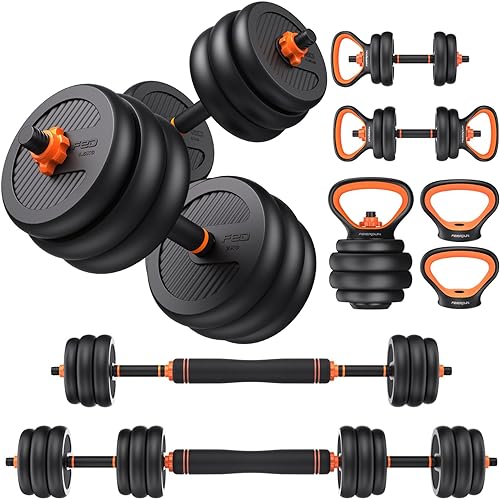
FEIERDUN DS2 Adjustable Dumbbells, 20–90 lb with Connector
If you actually want to use the rack for incline work and barbell rows, the FEIERDUN DS2 gives you a 90 lb top end and a barbell connector—handy when you'd rather not store a second bar in a small garage. The cast handles are noticeably more knurled than the budget tier, which matters during heavy single-arm rows under the squat-only T-3. Check price on Amazon.
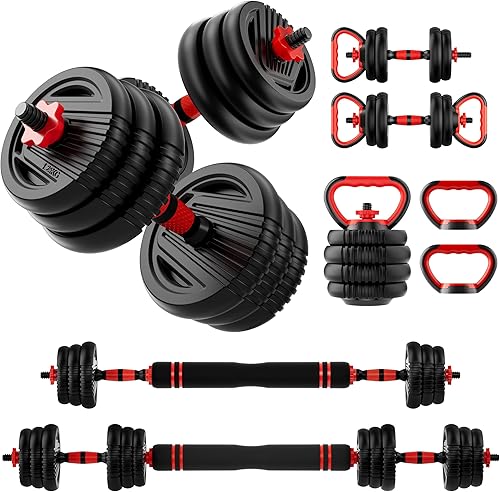
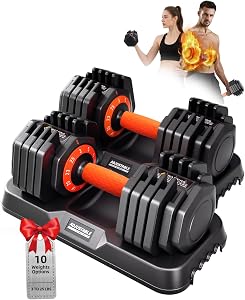
FDB2 Adjustable Dumbbell Set with Stand, 110 lb
For lifters whose accessory work outgrows 60 lb, the FDB2 stand-mounted set hits 110 lb per hand and ships with its own vertical stand—so you can park it in a corner outside the rack footprint. The stand also adds a few extra pounds of dead weight near the rack base, a small bonus when you're trying to anchor Titan T-3 without drilling. Check price on Amazon.
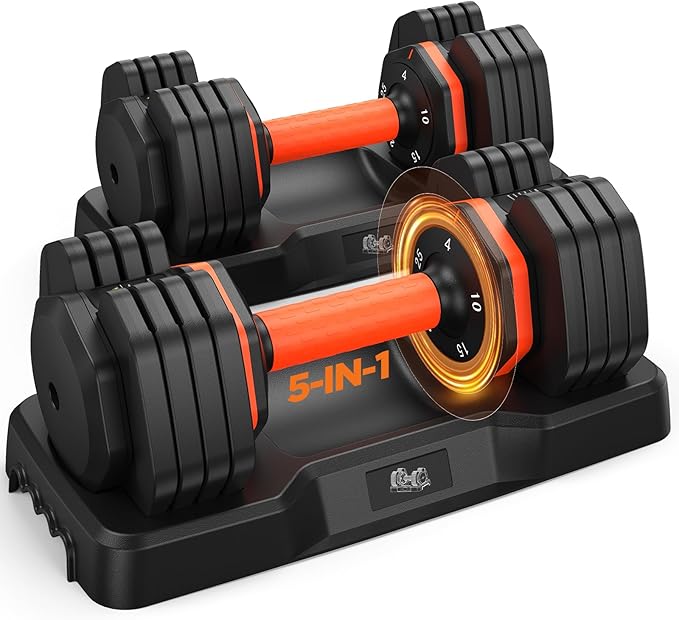
Rendpas Quick-Lock Adjustable Dumbbells
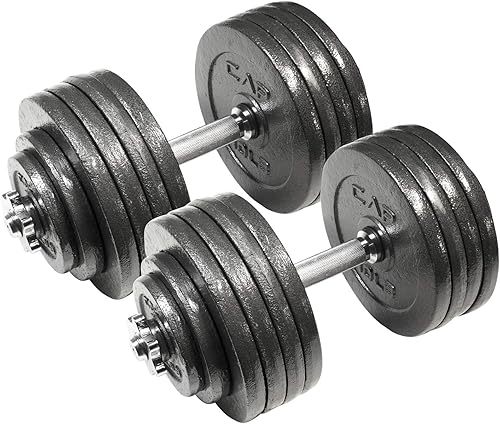
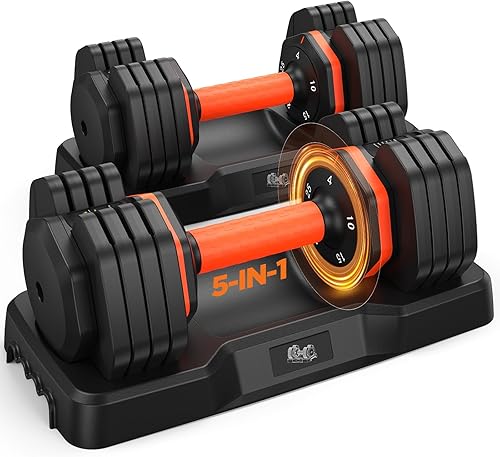
Budget-friendly quick-lock plates suit lifters whose dumbbell work tops out around 50 lb. The flat-sided plates also stack neatly against rack uprights, where you can press them into double-duty as low-profile ballast. Check price on Amazon.
Step-by-step: installing your no-drill T-3 this weekend
- Friday evening — Buy two sheets of 3/4-inch plywood and two 4x6 stall mats. Most box stores will rip plywood to 6 ft for free.
- Saturday morning — Assemble the T-3 per Titan's instructions, but stop before bolting it to anything.
- Saturday afternoon — Screw plywood layers together in a brick pattern with 1-5/8 inch deck screws every 8 inches. Cap with stall mats glued down using construction adhesive.
- Sunday — Walk the rack onto the finished platform, install stabilizer feet, and load 4–6 plates per base horn. Test with empty-bar squats, then progress through 50% / 75% / 100% of your working weight to feel for any movement.
If the rack walks more than 1/4 inch during a 100% set, add ballast before increasing load further. Re-check after the first week—plywood platforms can settle slightly as moisture stabilizes.
Common mistakes to avoid
- Skipping the platform. Plate ballast alone lets the rack pivot on its small base contact patches. The platform is the part that actually distributes load.
- Using horse stall mats only. Without plywood underneath, mats compress unevenly under the uprights and the rack rocks.
- Bungee cords for wall bracing. Bungees stretch precisely when you need rigidity. Use ratchet straps or nothing.
- Trusting kettlebells as ballast. Round bases roll under impact. Flat plates, sandbags, or HDPE blocks only.
For more rental-friendly gym builds, see our DIY deadlift platform guide for renters, our roundup of the best squat stands for low-ceiling garages, and our rubber gym flooring buyer's guide for renters.
Frequently Asked Questions
Can I anchor a Titan T-3 short rack without drilling if my garage floor is uneven?
Yes—the sandwich platform method actually helps with uneven floors because the plywood spans low spots. Shim under the platform with cedar wedges at the corners until a 4-foot level reads true, then load the rack. Avoid stacking mats alone; foam compresses unevenly and the rack will rock at the top end of a press.
How much weight does it take to keep a T-3 from tipping during pull-ups?
Kipping pull-ups are the worst-case load because they apply a horizontal yank at the top of the rack. Plan on at least 500 lb of total ballast (platform + plates) if you're over 200 lb bodyweight and intend to kip. Strict pull-ups need much less—roughly 300 lb of ballast is plenty for most lifters under 220 lb.
Will sandbags work instead of weight plates for ballast?
Yes, and they're often cheaper per pound. Look for 60–80 lb filler sandbags with double-stitched seams; stack two per upright inside the rack footprint. The only downside is they're slower to move if you reconfigure the rack, and they can shed sand over time on rubber mats.
Is it safe to do a 1RM deadlift in a free-standing T-3?
Deadlifts are actually the safest lift in a no-drill setup because the force vector is purely vertical—nothing pulls on the rack itself. The rack is only really stressed during squats, presses, and pull-ups. Deadlift away.
Do I need stabilizer crossmembers if I already have a heavy platform?
For squats up to about 315 lb, a well-built sandwich platform with horn-loaded plates is enough. Above 315, or for any kipping movement, add the stabilizer crossmembers. They're cheap insurance and they double as a footplate for landmine work.
Can I move the rack later without damaging the floor?
That's the entire point of no-drill anchoring. Unload the plates, slide the rack off the platform onto furniture sliders, and you can relocate the whole setup in under an hour. The plywood platform breaks back down into two flat sheets that fit in a pickup bed.
What's the cheapest way to start if I can only spend $200 on anchoring?
Skip the stabilizer crossmembers initially and build only the sandwich platform plus one pair of horn attachments. Use plates you already own as ballast. You can add stabilizers later as your numbers climb. Pair that with budget adjustable dumbbells like the space-saving picks in our 2026 guide and you've got a full functional setup for well under $500 over the bare rack.
Key Takeaways
- Choosing the right anchor Titan T-3 without drilling means matching capacity and output ports to your actual devices
- Always check actual watt-hours (Wh), not just watts — runtime depends on Wh, not peak output
- Also covers: Titan T-3 rental garage anchor
- Also covers: no-drill power rack stabilization
- Also covers: Titan T-3 renter friendly setup
- Compare price-per-Wh across models to find the best value for your budget