The Rep AB-3100 bench for postpartum mothers stands out as one of the safest, most stable pressing platforms for women returning to upper-body training after pregnancy. Its wide, low-set frame (under 17" pad height) makes it easier to lower onto with a recovering core, the 1,000 lb rated capacity removes any worry about wobble during dumbbell presses, and the 9-position back pad lets you flow from incline to flat without re-racking. Below we break down why this bench fits the postpartum return-to-press window in 2026, plus the best adjustable dumbbells to pair with it for a gradual, joint-friendly rebuild.
Why the Rep AB-3100 is the right bench for the postpartum window
Top Picks
Most flat/adjustable benches reviewed online are picked for advanced lifters chasing 405 lb bench PRs. Postpartum lifters have a different problem: their bodies are still healing connective tissue, their pelvic floor is rebuilding load tolerance, and pressing form can be wrecked by something as small as a wobbly seat pad. The Rep AB-3100 was designed around stability and pad geometry rather than max load, which is exactly why it suits women returning to pressing 6–16 weeks after delivery.
Three features make the difference for postpartum recovery:
- Low pad height (~16.9"): You can sit down and roll back without bracing through a tender core. Compare this to many competitor benches that sit at 18–20", where dismounting feels like a controlled drop.
- Ladder-style back adjustment: The pop-pin ladder system on the AB-3100 is finger-safe and one-handed—critical when you might be holding a baby monitor, a water bottle, or pausing to listen for a nap to end.
- 1,000 lb capacity with a wide, planted base: The bench will not creak, shift, or rock when you set a dumbbell on your thigh to kick it up. This matters more than headline strength numbers; postpartum lifters often report that wobbly benches caused them to bail on lifts and reinjure themselves.
Add the 9 back-pad positions (including a slight decline-adjacent setting for hip-elevated glute work) and the IPF-style seat pad that doesn’t pinch the tailbone, and the AB-3100 quietly becomes the most postpartum-friendly bench in its price band.
What postpartum pressing recovery actually looks like
Returning to pressing after pregnancy is rarely a linear ramp. Most pelvic-floor physical therapists recommend starting with very light loads at incline (30–45°) because incline pressing reduces intra-abdominal pressure compared to a flat bench press. You want a bench that lets you set those exact angles repeatably—not a foam wedge on the living-room floor that compresses unevenly.
Practical progression for the first 12 weeks back:
- Weeks 1–4 back to lifting: 30–45° incline dumbbell press, 5–15 lb per hand, slow tempo, full exhale on the press.
- Weeks 5–8: Add 15–30° incline, light flat dumbbell press, single-arm work to address asymmetries that develop from one-sided baby carrying.
- Weeks 9–12: Build flat dumbbell press loads, introduce floor press or close-grip variations.
For all of this, you need (a) a bench whose angle adjustment is genuinely fast and (b) dumbbells that micro-adjust in 2.5–5 lb increments. The AB-3100 handles the first job; the right adjustable dumbbells handle the second.
Best adjustable dumbbells to pair with the AB-3100 for postpartum pressing
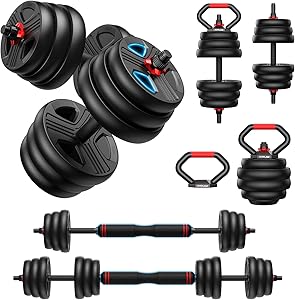
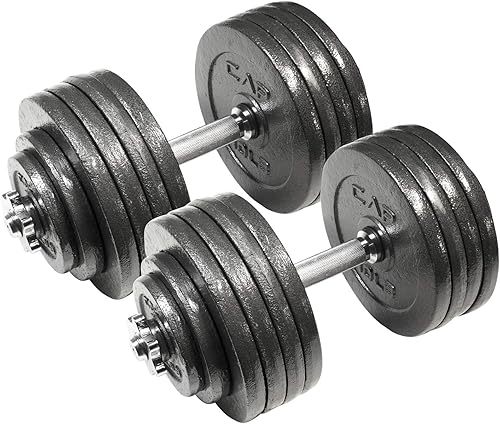
You don’t want a rack of fixed dumbbells postpartum—your working weight will change weekly. Adjustables let you start at 5 lb, jump to 12.5 lb a month later, and not have to negotiate floor space with a stroller and a play mat. Here are the five we recommend pairing with the Rep AB-3100 bench for postpartum mothers in 2026.
| Dumbbell | Weight range | Smallest increment | Best for |
|---|---|---|---|
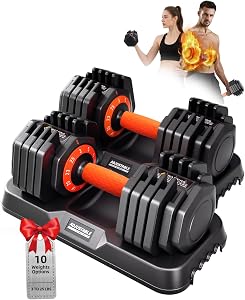
| Amazon Basics 25 lb Adjustable | 2.5–25 lb | 2.5 lb | First 4–8 weeks back |
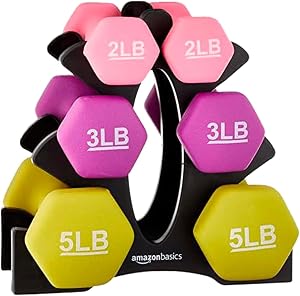
| Amazon Basics Hand Weight Set w/ Case | 3–9 lb pair | 2 lb plates | Rehab-style accessory work |
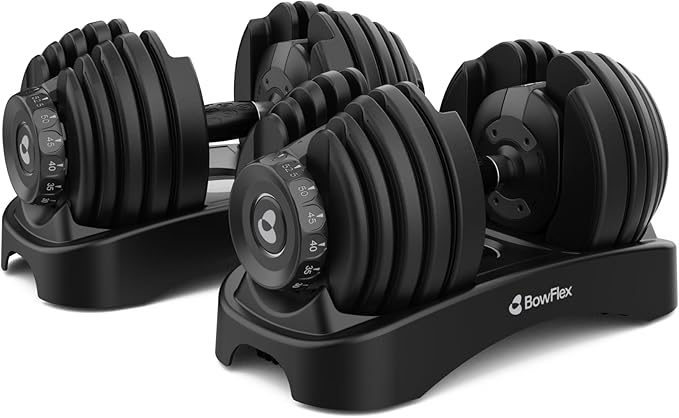
| BowFlex SelectTech (Results Series) | 5–52.5 lb | 2.5 lb (lower range) | Long-term progression |
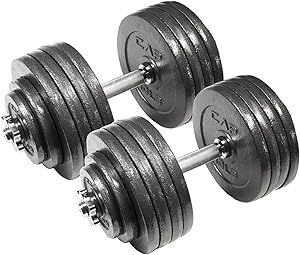
| FEIERDUN DS2 20–90 lb | 20–90 lb | 5 lb | 6+ months postpartum strength |
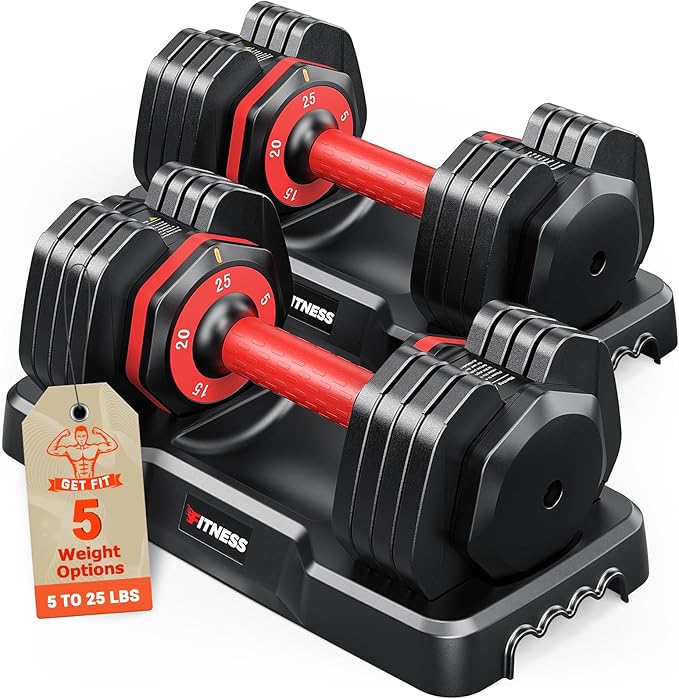
| Rendpas Quick-Lock Set | 5–50 lb | 5 lb | One-handed weight changes |
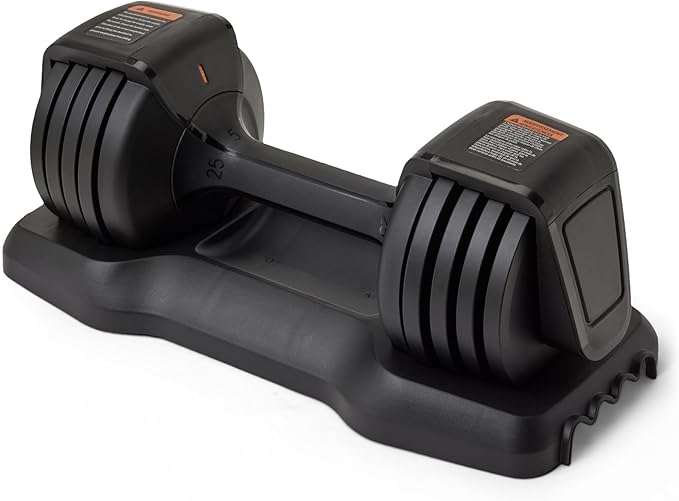
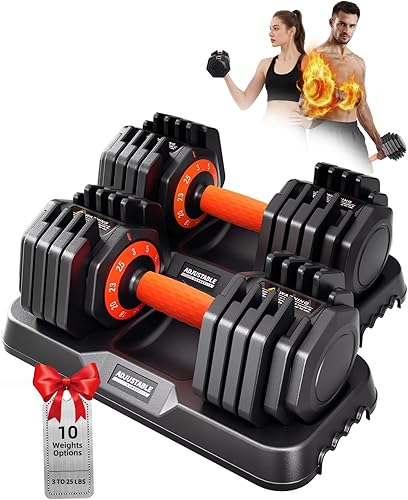
Amazon Basics Adjustable Dumbbell, 25 lb — best entry-level pick
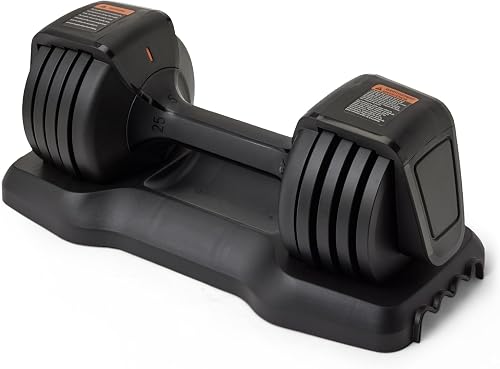
If you are 6–10 weeks postpartum and just starting incline presses on the AB-3100, this is plenty of dumbbell. The 25 lb cap matches where most postpartum lifters live for the first two months, the 2.5 lb plates allow genuinely small jumps (important because pelvic-floor tolerance often dictates ceiling more than upper-body strength), and the compact footprint tucks under the bench. Buy two so you can press symmetrically. Check current price on Amazon.
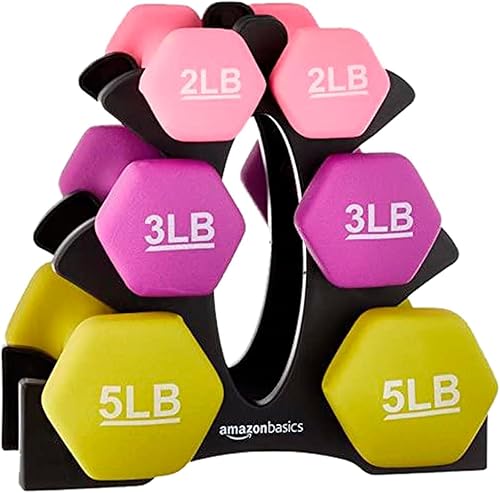
Amazon Basics Adjustable Dumbbell Hand Weight Set with Storage Case — best for very early return
For weeks 1–3 of return-to-lifting, where most clinicians cap you around 5–8 lb per hand, this small set is almost ideal. The case keeps the plates contained (a real concern with crawling babies), and the screw-collar design is more secure than a spring clip when you’re doing slow tempo work. Pair it with the AB-3100 set at 45° for incline presses, scapular pull-overs, and dumbbell pull-aparts. View on Amazon.
BowFlex Results Series SelectTech — best long-term progression
If you want one dumbbell that will carry you from week 6 postpartum all the way to your pre-pregnancy bench PR, the SelectTech is hard to beat. The 5–52.5 lb range means you can dial it to 7.5 lb at six weeks postpartum and to 35 lb six months later without buying anything new. The dial is one-handed—critical if your other hand is steadying yourself on the AB-3100 pad while you stand up. Slightly long handles mean you’ll want to set the bench’s incline above 30° for flyes, but for pressing it’s superb. Check the BowFlex SelectTech.
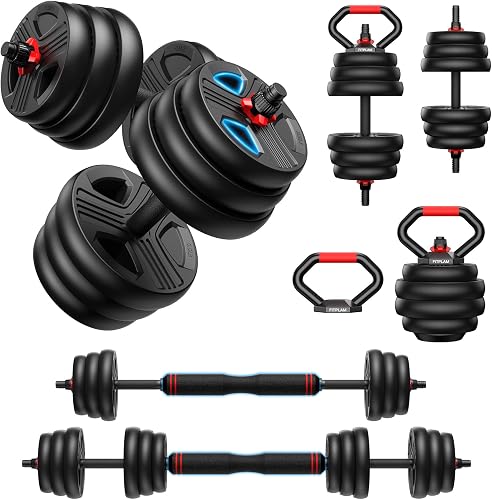
Rendpas Quick-Lock Adjustable Dumbbells — best one-handed swap
Postpartum lifting often happens in 8–12 minute windows between nursing, naps, and toddler interruptions. The Rendpas Quick-Lock system uses a sliding lock that you can flip with the same hand holding the dumbbell, meaning you can change loads without setting the weight down. That sounds minor until you’ve tried to do a drop set while a baby fusses on the play mat. The base sits low and stable next to the AB-3100’s footprint. See Rendpas Quick-Lock on Amazon.
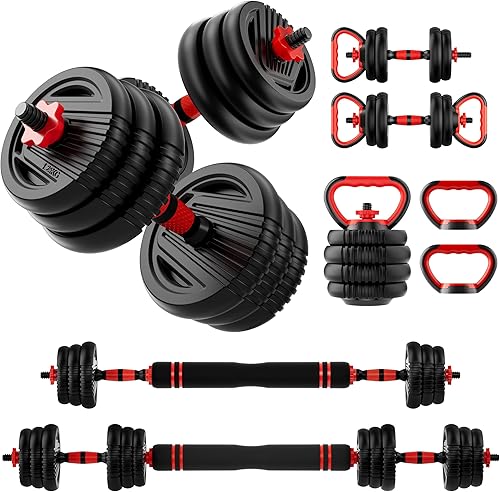
FEIERDUN DS2 20–90 lb — best for the strength rebuild phase
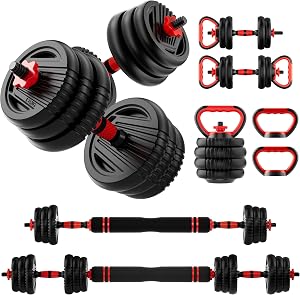
Once you’re past month four or five and pressing 25 lb dumbbells comfortably on the AB-3100, you need ceiling. The FEIERDUN DS2 goes to 90 lb per hand, and the included connector lets you turn the pair into a short barbell—handy for floor press variations on weeks when getting on the bench feels like too much. The 5 lb increment is the only weak point; for early postpartum work you’d want smaller jumps, which is why this pairs best with one of the lighter sets above. View FEIERDUN DS2.
Setting up the AB-3100 in a postpartum home gym
The AB-3100’s 50" total length and 26" width fits in a spare bedroom or nursery-adjacent corner without dominating the room. Leave 3’ of clearance behind the bench for the back pad to incline, and another 3’ on each side for dumbbell loading. For mothers training while a baby naps in the same room, the AB-3100’s rubberized feet won’t squeak against hardwood the way budget Marcy or Weider benches tend to.
If you’re building out the rest of the gym, see our best flat bench for small home gyms roundup for alternatives if the AB-3100 is out of stock, our adjustable dumbbell buying guide for a deeper comparison, and our diastasis-recti-safe strength training programming notes for the recovery side.
What to skip in your first 6 months back
Heavy barbell bench press, behind-the-neck press, and any movement that creates breath-holding under load. The AB-3100 will technically support a barbell setup if you add a Rep Fitness PR-1100 rack over it, but that’s a year-two purchase for most postpartum lifters. Stick with dumbbells on the bench, focus on exhale-on-effort breathing, and you’ll rebuild faster than chasing the bar.
Frequently Asked Questions
How soon postpartum can I start using the Rep AB-3100 bench?
Most pelvic-floor physical therapists clear vaginal-delivery patients for light pressing at 6–8 weeks postpartum and C-section patients at 10–12 weeks, but only after a clinical assessment. The AB-3100 itself is friendlier than most because the low pad height (~16.9") lets you sit down without bracing through your core. Always defer to your provider before loading the bench.
Is the Rep AB-3100 better than the AB-3000 for postpartum mothers?
The AB-3100 is the updated version with a finer-grained ladder system and a slightly more stable seat-pad lock. For postpartum users, the AB-3100’s tighter back-angle increments matter because moving from 30° to 45° in one click instead of two reduces the awkward re-mount when you’re still building core tolerance. If you find the AB-3000 used at a discount, it’s still excellent, just slightly less refined.
What’s the safest pressing exercise after a C-section?
A 45° incline dumbbell press with 5–10 lb per hand, slow tempo (3 seconds down, 1 second up), with a forceful exhale on the press. Set the AB-3100 to its 45° notch, brace through your transverse abdominis (not your rectus), and stop the set the moment you feel coning or doming in your abdomen. Avoid flat bench until at least 12 weeks post-surgery and only with clinician clearance.
Can I do incline press if I have diastasis recti?
Yes, with caveats. Incline reduces the intra-abdominal pressure compared to flat pressing, which is friendlier for a healing linea alba. Keep loads light (under 30% of your pre-pregnancy press max), watch for any abdominal doming, and progress only when your gap measurement is stable. The AB-3100’s 45° incline notch is the sweet spot for most postpartum lifters managing diastasis.
How much weight should a postpartum mom start with on the AB-3100?
Start with 5–8 lb dumbbells regardless of your pre-pregnancy strength. You’re not rebuilding the press, you’re rebuilding tissue tolerance. If 8 lb feels embarrassingly easy after two sessions, add 2–3 lb per week. The Amazon Basics 25 lb adjustable covers this entire ramp with 2.5 lb plate increments.
Is the AB-3100 stable enough for one-arm dumbbell rows?
Yes—more than most benches at twice the price. The wide foot base and 1,000 lb rating mean the bench won’t tip even when you stage a 60 lb dumbbell at one end. For postpartum mothers, one-arm rows on the AB-3100 are one of the best moves for correcting the rounded-shoulder posture that develops from carrying and feeding a baby.
Do I need a power rack with the AB-3100 for postpartum training?
No. For the first 6–12 months postpartum, dumbbell work on the bench covers everything you need: incline press, flat press, flyes, rows, single-arm work, hip thrusts, step-ups. A rack becomes useful when you reintroduce the barbell, which is typically a 6–12 month decision, not a week-one one. Save the budget for better dumbbells.
Key Takeaways
- Choosing the right Rep AB-3100 bench for postpartum mothers means matching capacity and output ports to your actual devices
- Always check actual watt-hours (Wh), not just watts — runtime depends on Wh, not peak output
- Also covers: Rep AB-3100 postpartum return to lifting
- Also covers: Rep AB-3100 new mom bench press
- Also covers: AB-3100 postnatal pressing bench
- Compare price-per-Wh across models to find the best value for your budget